Creative Agent
Creative Agent is an agentic AI creative solution transforming complex creative development by giving advertisers a creative partner and strategist at their fingertips. It can think, plan, and produce amazing content alongside you.
This end-to-end automation solution combines Amazon's signals with conversational guidance to produce high-quality advertising content quickly and at no cost. Research, strategy, copywriting, images, videos, audio, personalization at scale - it’s all here.
Creative Agent revolutionizes campaign development by taking an advertising process that traditionally requires weeks of work and significant financial investment and transforming it into something that can be accomplished within a few hours at no additional cost. The solution leverages Amazon's retail intelligence and brand signals to ensure brand safety and compliance across Amazon Ads. This helps advertisers scale their advertising presence with enhanced reach and engagement across all ad formats.

The Challenge
Getting an AI system to reason through a creative process the way a human creative director would required more than connecting generation tools together. The system needed to make judgment calls, explain its thinking, and produce work that was strategically grounded in a specific brand and product at every step, through a conversational interface intuitive enough for any advertiser to use without creative or technical expertise.
Building that meant solving problems with no established playbook. Agentic creative systems at this scale didn't exist yet, there were no training datasets for end-to-end AI-driven creative development, video generation models were nascent and largely undocumented for advertising use cases, and making a deeply complex multi-agent workflow feel transparent and simple inside a chat interface was genuinely new territory.
The Approach
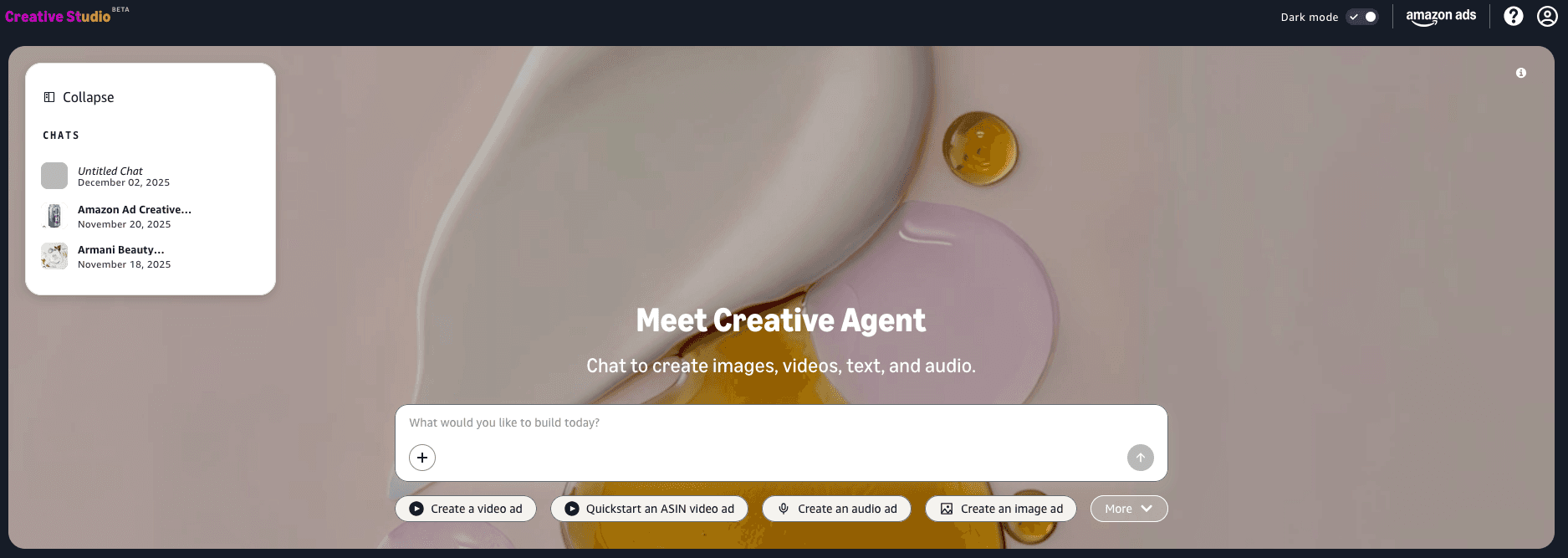
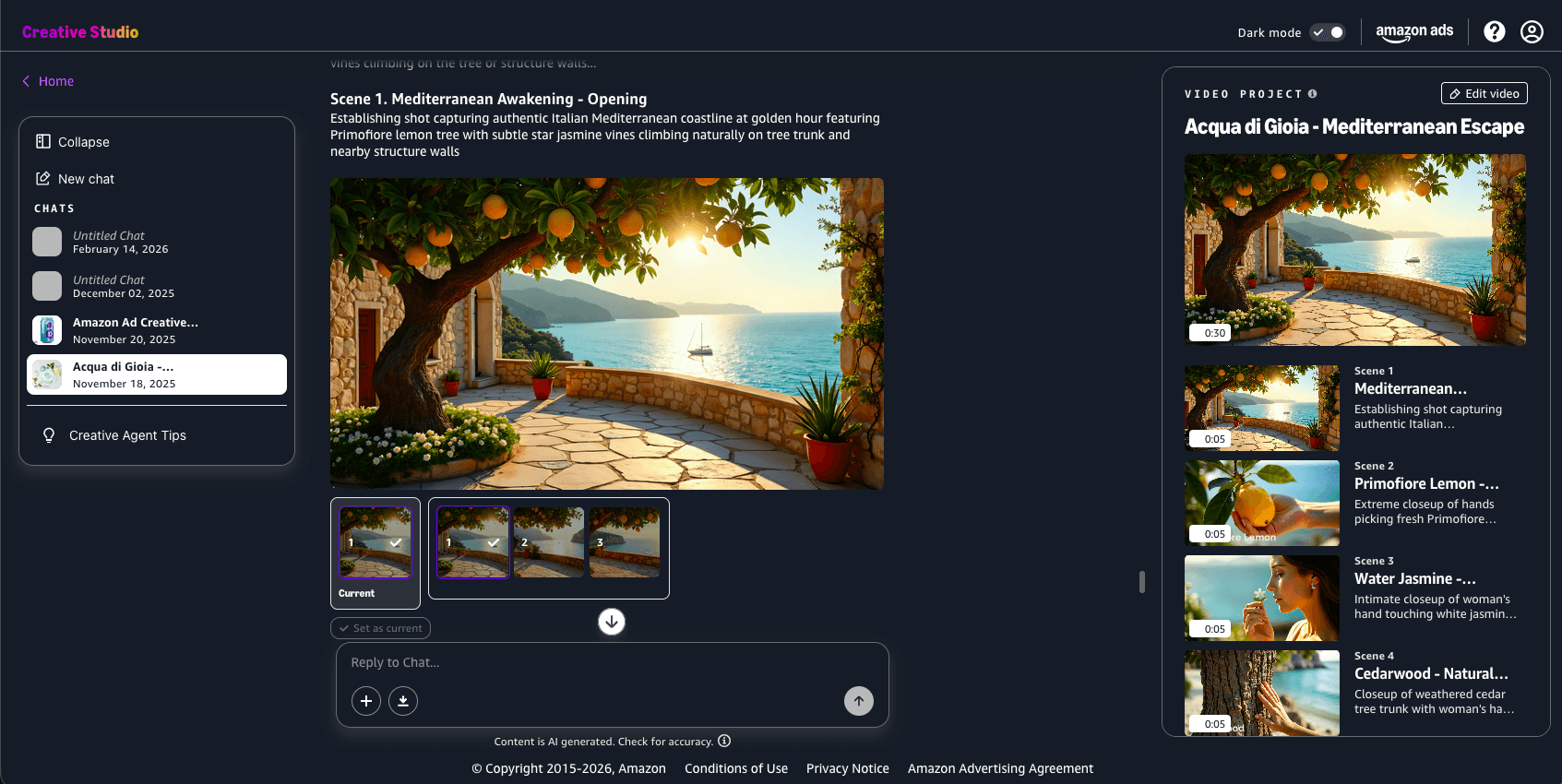
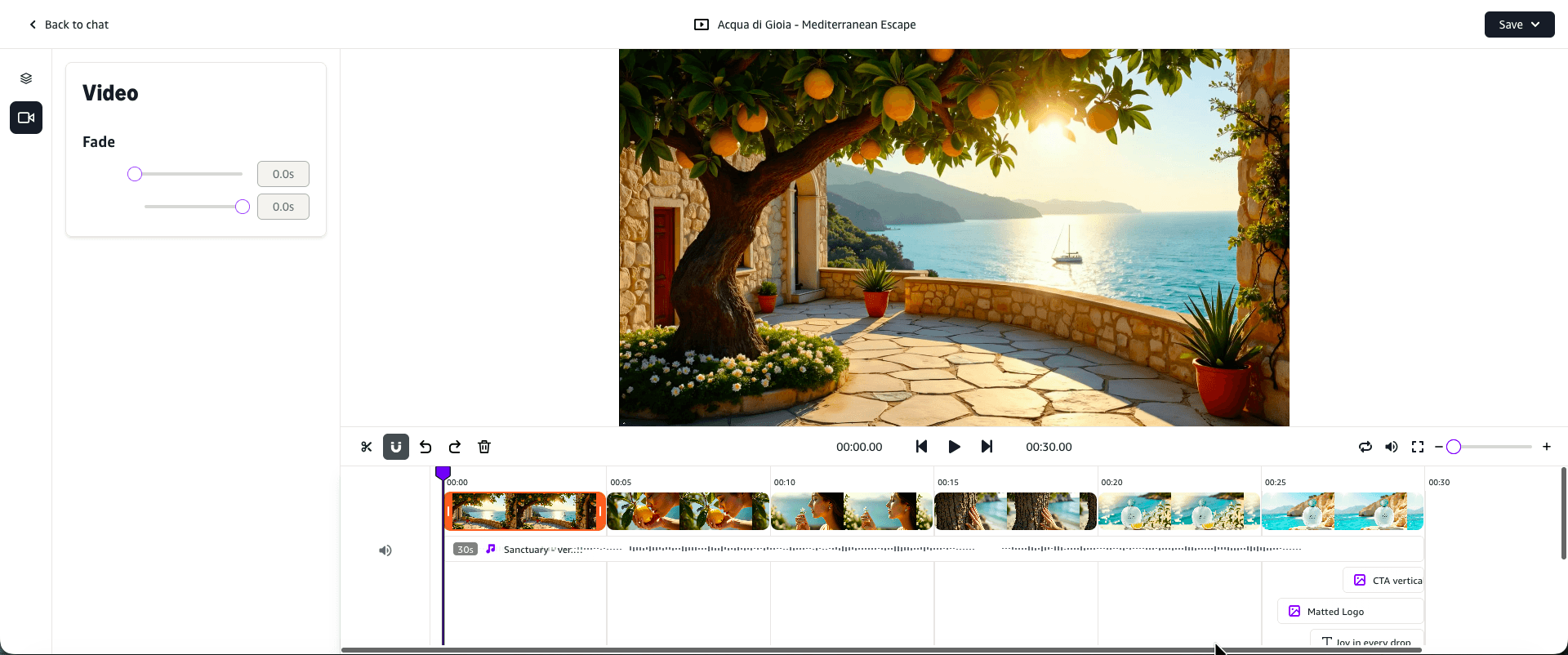
With no existing playbook for agentic creative systems at this scale, the work started at the foundation. The first prototype established the core guiding principle: the system should reason through the creative process, surface its thinking at every step, and present well-developed options while keeping the user in control of every decision. Achieving that required building instruction sets for the orchestrator and specialized sub-agents that encoded expert creative and technical judgment, informed by deep research into video generation models and advertising best practices. Transparency was the guiding principle for UX workflows and interface design: users could chat, interact with generated content, and see their project update in real time, all within a unified view.
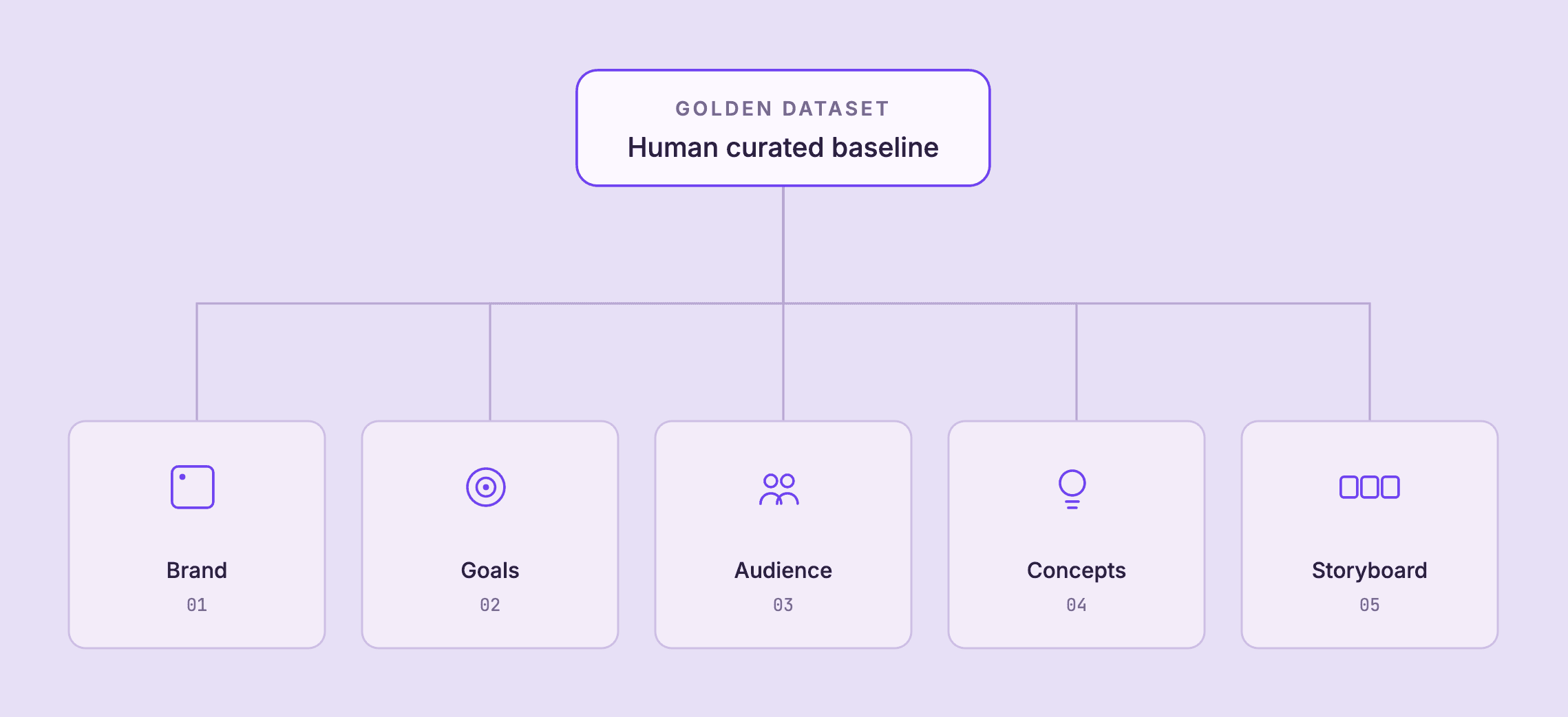
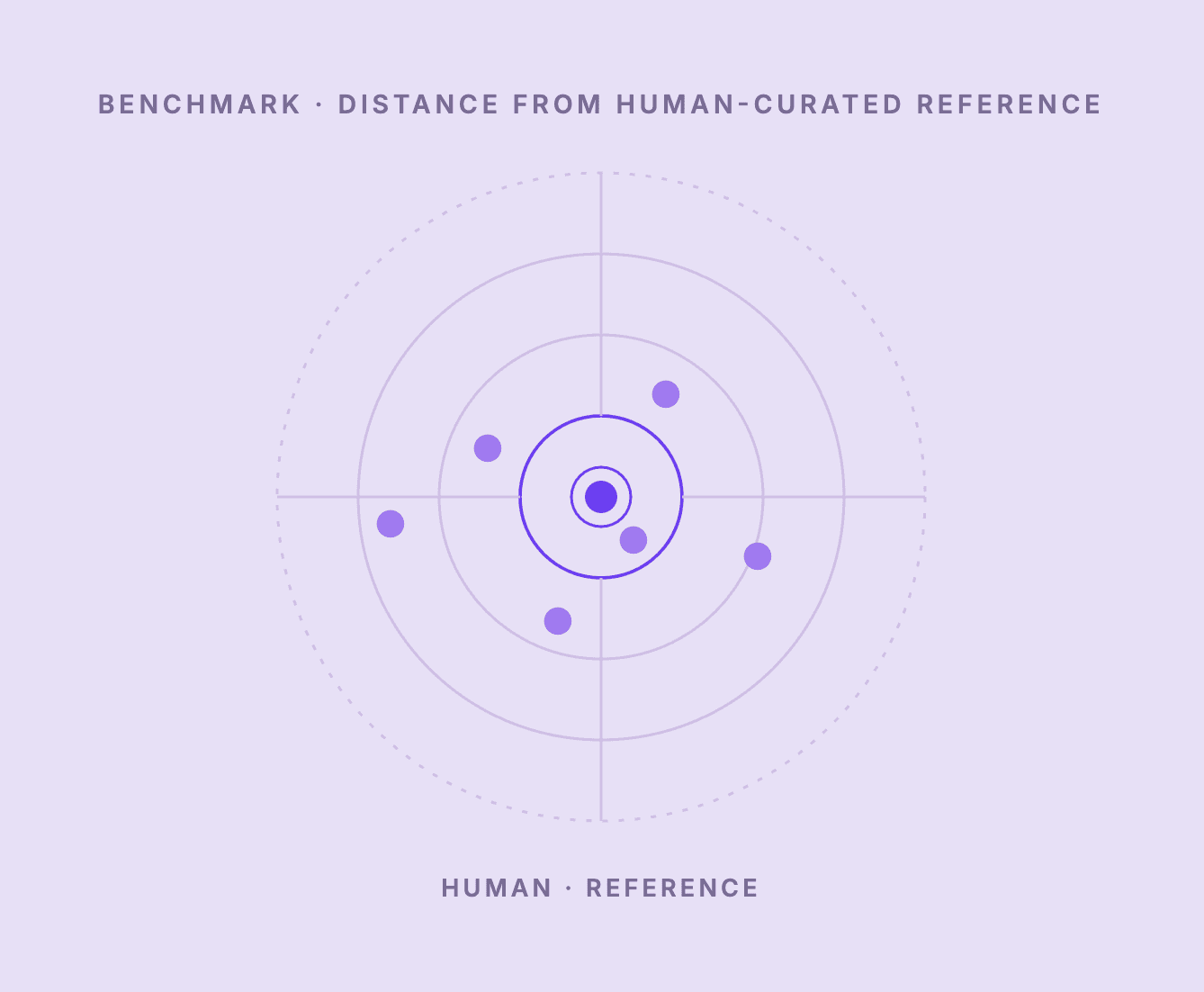
Getting the system to reason well required something to reason against. Building a golden dataset established a human-curated benchmark for what good end-to-end AI creative development looks like, at a stage when nothing comparable existed. That foundation made systematic evaluation possible and shaped how the team measured quality as the product developed.
After launch, that same methodical approach carried into improvement work: testing generated output across a large product set and edge cases, updating image and video agent system prompts to improve human diversity, and integrating Creative Studio's curated Themes experience into the chat system.
Technical Details
Prototype and Agent Instruction Sets
A complex workflow like producing campaign creative across multiple formats required a modular system of specialized agents rather than a single model handling everything. The orchestrator needed to route requests dynamically based on complexity, delegating to sub-agents for research, concept development, image production, and video production, while maintaining coherent output across the entire workflow.
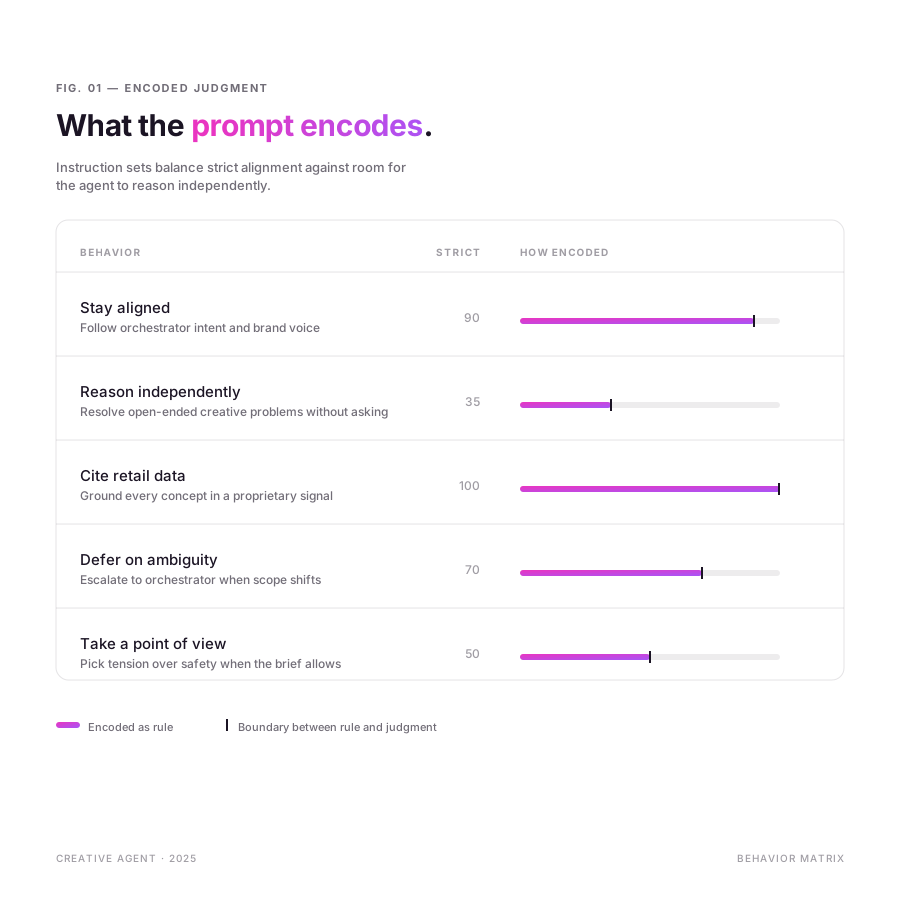
Writing effective instruction sets for a multi-agent architecture meant encoding enough creative and strategic judgment into each agent that it could reason through open-ended problems independently, while staying aligned with the orchestrator's intent and the advertiser's inputs.
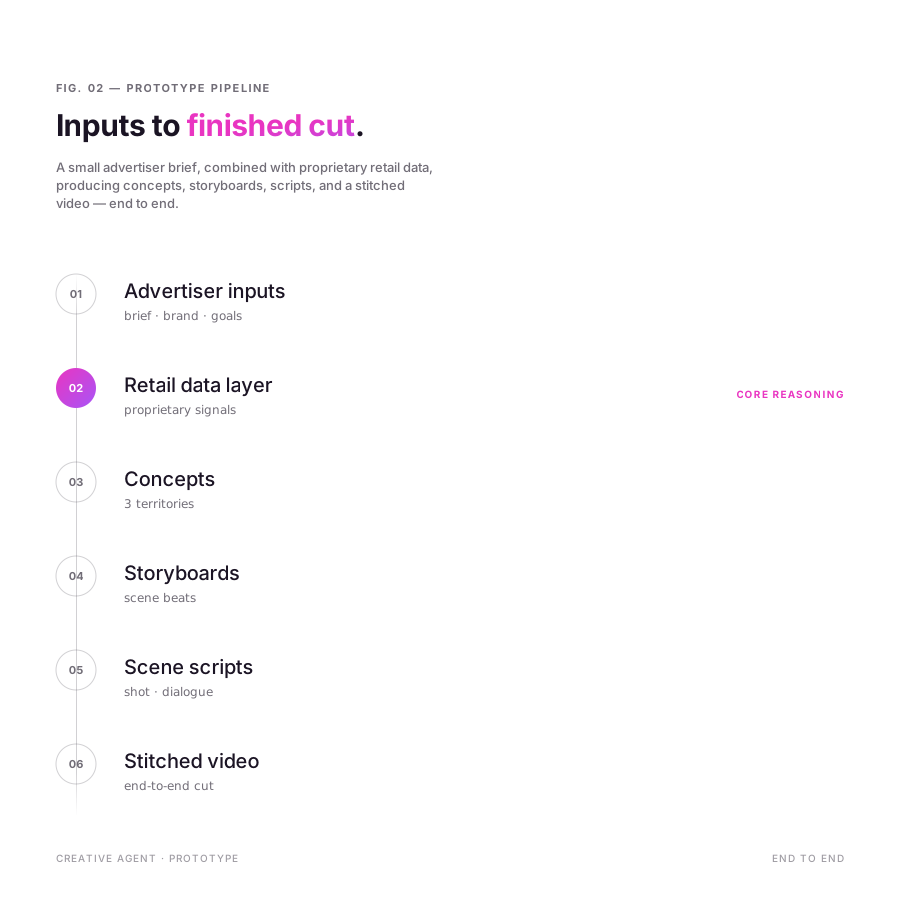
To test that in practice, we built a working prototype: a system that took a small set of advertiser inputs, combined them with proprietary retail data as a core part of its reasoning, and produced ad concepts, storyboards, scene scripts, and a stitched video end to end. That early system became the foundation for the multi-agent architecture Creative Agent ships on today.
Video Generation Model Research
Video generation for advertising was largely uncharted territory when Creative Agent was being built. The available models had different strengths, failure modes, and prompting requirements, and what worked for general video generation often didn't translate to ad-ready output.
Understanding how to get consistent, brand-aligned, visually compelling results from models like Runway, Kling, or Veo required systematic testing across different product types and creative scenarios.
The best practices that came out of that research became the technical foundation for the video production agent instruction sets, encoding knowledge about what these models respond to and their limitations directly into how the agent thinks and produces.
Video agent adapts the prompt for different models
Different models have different strengths for different camera motions. I developed adaptable prompting techniques for different camera motions that produce consistent motion independent of the video generation model
subtle zoom
dolly zoom
camera pan
arc shot
The video agent's system prompt encodes adaptable techniques for different video gen model strengths
Human Diversity Improvements
Human representation in generated output is a nuanced problem that runs deeper than prompt adjustments alone. The system serves advertisers across thousands of product categories and many different locales. Diversity failures were often inconsistent and context-dependent rather than systematic.
Identifying where the system fell short required testing across a deliberately broad range of products and constructing edge cases that exposed failure modes not visible in standard output.
The findings informed targeted updates to the image and video agent system prompts, steering the agents toward more consistent and representative output without compromising product relevance or creative quality.
Auto generation natively generates human diversity
When not specifically prompted Creative Agent produces a range of options showing human diversity while maintaining product and brand relevance in creatively crafted scenes.






Options generated for kids' trail running shoes - shared family adventure concept
Themes Integration
The Themes system in Creative Studio was built for a single-step generation workflow: select a style, generate an image. Bringing that into Creative Agent meant adapting it for a multi-step conversational process where the user is working through research, concepts, and storyboards before any assets are produced.
I built a theming tool the agents could use directly, surfacing existing curated themes when the user raised the topic and acting on new theme input from as little as a short theme name, without requiring any prompting knowledge or manual style configuration.
Localization was added through the same system, treating cultural and regional visual conventions as a theming problem rather than a translation one, so advertisers could adapt creative output for different markets, from visual aesthetics and culturally relevant imagery, through the same conversational interface.
Agents use theming tool to apply curated themes, localize output, and suggest new themes based on current market trends and research.




Themed options for an ottoman product with human and agent curated new themes
Results
Creative Agent compressed what traditionally took weeks of work and significant budget into hours, at no additional cost to advertisers. Early results showed a 10.3% higher ROAS on Sponsored Brands campaigns using AI-generated images, a 12% average increase in sales for advertisers using AI tools, and the Bird Buddy case study delivered a 3x higher CTR and 121% ROAS with a campaign produced in three days.
The foundational work presented here shaped how the product was built and evaluated, contributing to the high advertiser adoption rates right from the official launch. The golden dataset directly informed decisions about agent design, tool access, and process coordination that the product still runs on today. The human diversity testing gave scientists the evidence-based feedback needed to identify root causes and make targeted improvements across a wide range of products and contexts. The unified project view established a novel way to present and interact with generated content both inside the chat interface and alongside it, making a deeply complex agentic workflow feel transparent and simple for advertisers of every skill level.
What I Learnt
Building Creative Agent from prototype to shipped product taught me what it means to work at the frontier of a genuinely new category of AI system. With no established playbook, defining what good looked like, building the tools to measure it, and iterating toward it were all happening in parallel. The golden dataset work taught me that evaluation design is as much a creative problem as it is a technical one. I learnt that articulating what good creative reasoning looks like at each stage of a production process needs to be precise and clearly structured to optimize LLM learning specific to creative tasks.
Working on instruction sets for a multi-agent architecture serving millions of advertisers across thousands of product categories taught me that robustness at scale requires intuition and systematic testing working together throughout. The human diversity work reinforced this: what looks like a prompt engineering problem on the surface often has deeper root causes that only careful testing across a wide range of edge cases can surface. The UX work taught me that interface design and system design are inseparable in an agentic system. Decisions about how to present generated content needed to both support human understanding and keep the agent informed across editing contexts. I learnt how to design hybrid interfaces that enable human interaction and facilitate targeted LLM context building at the same time.
Showcase
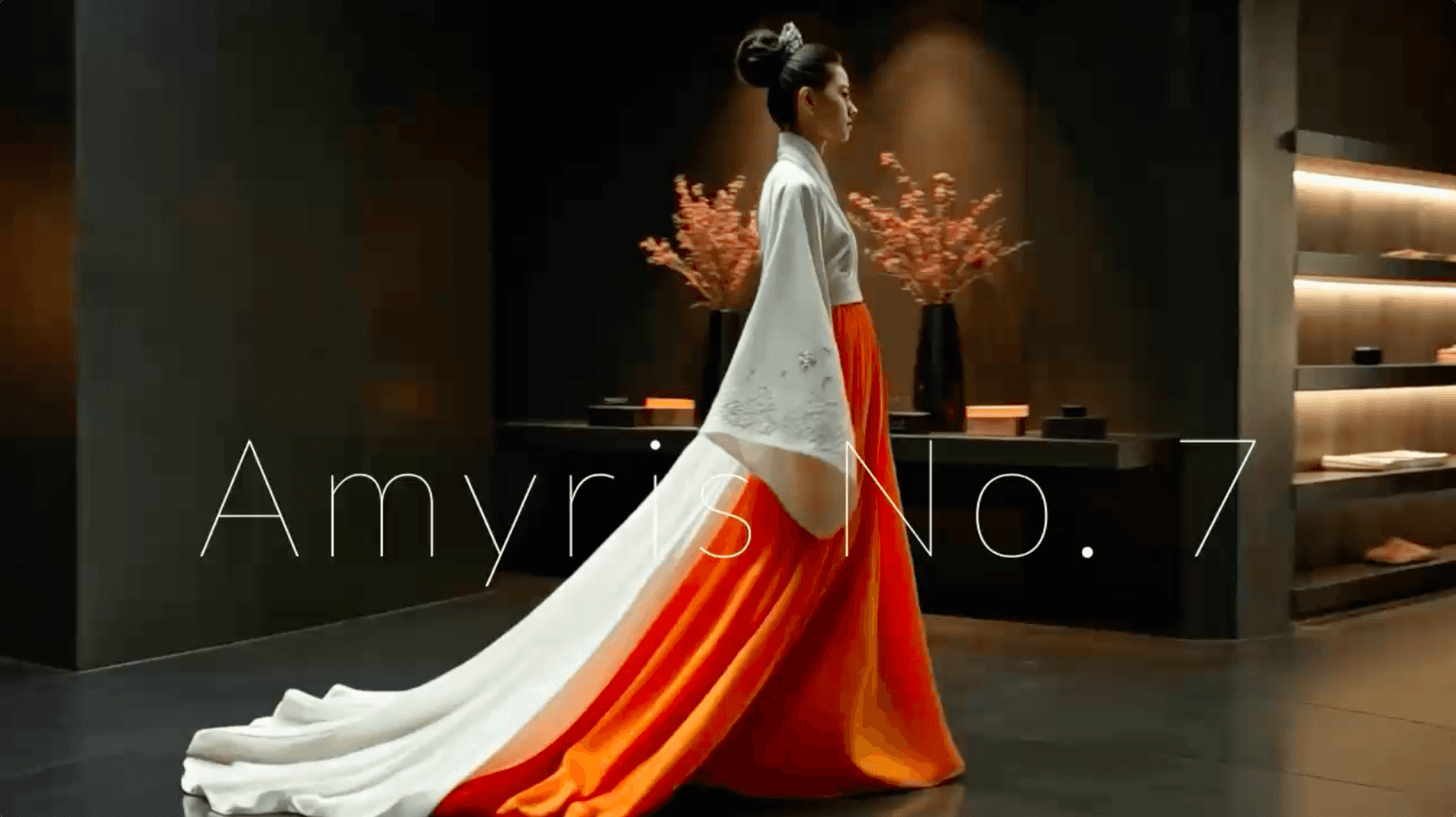

back to top